


Latest Post
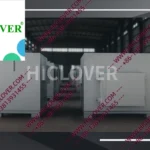
Advanced Engineering for Global Waste Disposal: HICLOVER Incinerator Systems
Advanced Engineering for Global Waste Disposal: HICLOVER Incinerator Systems
Modern waste incinerators are engineered for high-temperature destruction of hazardous materials, adhering to stringent **medical waste incinerator design standards** that mandate secondary chamber temperatures exceeding 1100°C. This engineering reliability is critical for procurement managers in Africa and beyond, evaluating durable solutions. As a leading **china incinerator manufacturer**, HICLOVER integrates advanced PLC automation and dual-chamber combustion to ensure compliance with WHO and EU emission frameworks, providing a robust answer for **Liberia pet incinerator price** inquiries and projects in **Congo crematorium manufacturers** networks.
Technical Specifications & Compliance Framework
HICLOVER’s designs prioritize complete combustion. The primary chamber gasifies waste at 800-1000°C, with gases routed to a secondary chamber maintained above 1100°C for a minimum two-second residence time, destroying pathogens and dioxins. Systems are configurable with optional wet or dry scrubbers for emission control. This technical approach is fundamental for **Sierra Leone medical waste incinerators manufacturers** seeking WHO-aligned equipment. Further details on combustion principles and temperature standards can be researched via medical incinerator secondary chamber temperature standard.
Commercial Evaluation for Decentralized Sites
For remote mining camps, humanitarian bases, or decentralized hospitals, containerized mobile units offer plug-and-play deployment. Key comparison points include:
- Fixed vs. Containerized: Mobile units offer rapid deployment without permanent infrastructure, crucial for crisis zones.
- Control Systems: Full PLC automation ensures consistent operation and reduces operator error compared to manual systems.
- Scrubber Selection: Dry scrubbers suit water-scarce regions, while wet scrubbers offer higher acid gas removal.
This flexibility supports supply chain resilience in volatile environments.
Factory-Direct Transactional Advantages
As a direct manufacturer of hazardous waste incinerator in china, HICLOVER provides customizable chamber volumes, multi-fuel capability (diesel/LPG), and stable global export. Factory production ensures cost control, critical for projects sensitive to **Liberia pet incinerator price**, and allows for engineering customizations not typically offered by trading companies. The brand’s extensive portfolio, detailed at HICLOVER.com, underscores its capability as a principal **incinerator china manufacturer** for medical, animal, and general solid **waste incinerators**, integrating trends like ESG compliance and digital automation into robust, field-proven systems.
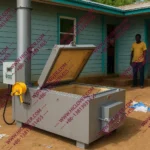
Comprehensive Analysis of HICLOVER Waste Incinerators: Comparing Features, Safety, and Applications
Comprehensive Analysis of HICLOVER Waste Incinerators: Comparing Features, Safety, and Applications
What are HICLOVER waste incinerators, and how do they function?
HICLOVER waste incinerators are advanced waste management solutions designed to address the rigorous demands of waste disposal while adhering to international industrial standards. These waste incinerators utilize dual combustion chambers to ensure complete combustion of waste materials at elevated temperatures typically between 850°C to 1100°C. This temperature range is crucial for achieving high destruction rates of hazardous and non-hazardous waste, including clinical and laboratory waste. With a focus on engineering reliability, HICLOVER’s incinerators are tailored to meet various waste management needs, including those found in healthcare settings, industrial operations, and humanitarian camps.
What safety features are incorporated in HICLOVER waste incinerators?
Safety is paramount in the design of HICLOVER waste incinerators. These systems come equipped with a range of safety features aimed at minimizing risks associated with waste incineration. Key features include:
- High-Temperature Retention: Essential for effective waste combustion, ensuring that harmful emissions are significantly reduced.
- PLC Automation: Programmable Logic Controllers (PLC) automate the operation, enhancing precision in monitoring combustion conditions and reducing human error.
- Dual Chamber Design: This design facilitates a secondary combustion process that further reduces harmful byproducts, ensuring compliance with strict environmental regulations.
- Wet and Dry Scrubber Options: HICLOVER provides customizable scrubber systems that can be selected based on the specific emissions control requirements of the site.
For more detailed specifications, you can visit the HICLOVER website.
How do HICLOVER waste incinerators compare with other types available in the market?
The market for waste incineration technology features a variety of incinerator types, including fixed and portable options. HICLOVER stands out with its containerized modular systems, which offer significant advantages for remote site operations. In comparison to fixed installations, portable incinerators provide flexibility in deployment, making them ideal for crisis zones and humanitarian camps. Key aspects of comparison include:
Fixed vs. Portable Incinerators
Fixed incinerators are generally larger and require extensive infrastructure, making them suitable for permanent facilities. However, portable units like those from HICLOVER can be easily transported and set up on-site, which is an advantage in regions requiring immediate waste management solutions.
Control Systems: PLC vs. Manual
HICLOVER’s reliance on PLC automation enhances operational efficiency and safety compared to manual control systems. Automated systems provide real-time monitoring and can significantly reduce operational risks associated with manual errors.
Emission Control: Dry Scrubber vs. Wet Scrubber
Choosing between dry and wet scrubbers often depends on specific waste types and local environmental regulations. HICLOVER offers both options, allowing users to customize their incineration systems to meet compliance requirements and optimize emission reductions, thus aiding in carbon emission reduction pressures.
What are the applications of HICLOVER waste incinerators in different sectors?
HICLOVER waste incinerators are versatile and can be utilized in various sectors, including:
- Healthcare: Essential for the safe disposal of medical and laboratory waste, these incinerators ensure that hazardous materials are effectively neutralized.
- Industrial: Used for disposing of industrial waste, including plastics and other materials that require high-temperature treatment for compliance with environmental regulations.
- Humanitarian Operations: Mobile incinerators are crucial in crisis zones where traditional waste management infrastructure is absent, providing immediate solutions to waste disposal challenges.
How does HICLOVER ensure supply chain stability and customization in its incinerator solutions?
HICLOVER utilizes a robust factory manufacturing capability that enhances supply chain resilience. Unlike trading companies, HICLOVER’s direct factory approach allows for complete control over production processes, quality assurance, and timely delivery. Clients can benefit from:
- Customizable Chamber Volume: Tailored incinerator sizes based on specific waste generation rates and types.
- Multi-Fuel Options: Systems that can operate on diesel, LPG, and natural gas, providing flexibility based on local fuel availability.
- Global Export Capability: Ensuring that HICLOVER solutions can be deployed worldwide, meeting varying regulatory and operational needs.
What future trends in waste management are influencing HICLOVER’s incinerator designs?
As global awareness regarding sustainable practices increases, HICLOVER is adapting its waste incinerator designs to align with emerging trends such as:
- Decentralized Waste Management: Increasing demand for localized waste disposal solutions, particularly in remote areas.
- Energy Recovery Systems: Implementing technologies that allow for energy recovery during the incineration process.
- Digital Automation: Improving the efficiency and reliability of waste management operations through automation and data analytics.
The evolution of waste incineration technology continues to play a critical role in addressing the challenges of waste management in today’s complex socio-economic landscape.
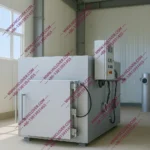
Engineering Reliability and Technical Standards: HICLOVER Waste Incinerators in Decentralized and Crisis Zone Applications
Engineering Reliability and Technical Standards: HICLOVER Waste Incinerators in Decentralized and Crisis Zone Applications
Introduction: Reliable Waste Incineration Under Stringent Standards
Modern waste incinerators form the backbone of compliant, safe, and efficient hazardous waste disposal across medical, industrial, and humanitarian sectors. The HICLOVER waste incinerator series exemplifies industry best practices by adhering to globally recognized medical incinerator operating temperature standards, with dual-chamber systems routinely achieving 850°C–1,100°C. These temperature thresholds align with both WHO and the latest EU directives, ensuring pathogen destruction and minimizing persistent organic pollutants. Such operational rigor is vital for installations in Algeria small scale medical incinerator projects or Rwanda incinerator installation demo sites, where engineering reliability, regulatory compliance, and supply chain stability are non-negotiable.
Informational Layer: Technical Principles and Regulatory Frameworks
Combustion Science and Chamber Configuration
A technically optimized waste incinerator, such as those manufactured by HICLOVER, is predicated on dual combustion chambers. The first chamber initiates oxidative breakdown of solid waste, while the secondary chamber sustains high-temperature conditions (typically 1,100°C, with a minimum of 2-second residence time) to guarantee destruction of dioxins, furans, and all biohazards. These retention times and temperatures are codified in EU Waste Incineration Directive (WID) and referenced in WHO’s “Safe management of wastes from health-care activities.” The criticality of these standards becomes especially apparent during global infectious disease outbreaks, as seen in recent crisis zones and humanitarian camps where decentralized, mobile waste management is required for rapid, safe disposal of biohazardous waste.
Air Quality Control: Incinerator Smoke Filter Systems
Air pollution control systems, including incinerator smoke filter modules, are integral to modern medical waste furnace design. HICLOVER systems can be configured with either dry scrubbers (utilizing activated carbon and lime injection) or wet scrubbers (employing chemical scrubbing in liquid phase) to target acid gases, heavy metals, and particulates. Compliance with EU and US EPA emission frameworks is maintained through continuous monitoring and advanced auto roll air filter options, further reducing operator intervention and environmental risk.
Reference to Regulatory and Technical Guidance
The deployment of a Gabon medical incinerator china or a low-cost medical waste incinerator in remote or resource-constrained settings must reference the latest technical guidance. This includes not only combustion and emission standards, but also requirements for operator safety, stack monitoring, and post-burn residue management. For further detail on temperature requirements for secondary combustion, reference: medical incinerator secondary chamber temperature standard .
Commercial Investigation Layer: Technology Comparison, Control Systems, and Deployment Flexibility
Fixed vs. Containerized Incinerator Solutions
Organizations evaluating waste incinerator deployment must weigh the respective merits of fixed versus containerized modular systems. Fixed installations offer advantages in high-throughput, permanent settings such as central hospitals or city incineration hubs. In contrast, containerized HICLOVER solutions deliver unrivaled flexibility, speed of installation, and transportability, crucial for remote mining camps, emergency field hospitals, and mobile epidemic response units. Mobile plug-and-play incinerators—pre-installed in ISO containers—can be commissioned on-site within hours, making them the reference model for rapid deployment in crisis zones.
PLC vs. Manual Control: Automation for Operator Safety and Efficiency
Digital automation is now a normative expectation in industrial waste management. HICLOVER’s PLC automation ensures process repeatability, precise temperature control, and integrated safety interlocks, with real-time parameter logging supporting ESG and regulatory reporting. Manual control remains available for basic or low-cost medical waste incinerator applications, especially where budget or infrastructure limitations prevail. However, PLC-driven automation sharply reduces training requirements and human error, optimizing compliance in critical environments.
Air Pollution Control: Dry vs. Wet Scrubbers
The choice between dry and wet scrubber systems should be dictated by waste composition, local regulations, and available utilities. Dry systems offer lower water usage and easier maintenance, suitable for arid regions or mobile applications. Wet scrubbers are preferred where acid gas scrubbing is prioritized, or national standards demand ultra-low stack emissions. HICLOVER engineering teams provide tailored configurations, validated through installation demos such as those in Rwanda and across the African continent.
Remote Site Suitability and Modular Mobility
Robustness and maintenance simplicity are essential for remote or under-resourced environments. Algeria small scale medical incinerator installations, for instance, leverage HICLOVER’s containerized models—engineered for single-point lifting, easy transport, and rapid site commissioning. Multi-fuel burners (compatible with diesel, LPG, or natural gas) further enhance operating resilience, accommodating fluctuating supply situations typical in remote or crisis-prone geographies.
Case Demonstrations: Sharebutton.to and Real-World Deployments
Field deployments in Algeria, Rwanda, and Gabon illustrate the operational benefits of modular incinerators. For example, the Rwanda incinerator installation demo highlighted both the rapid commissioning of containerized systems and the value of PLC-driven operation in minimizing exposure risk for operators. Integration with share button code sharebutton.to platforms enables transparent project reporting and stakeholder engagement, supporting both ESG and regulatory frameworks.
Transactional Layer: Manufacturing, Customization, and Global Supply Chain Strength
Direct Factory Supply and Custom Chamber Configuration
Unlike trading companies, HICLOVER operates full in-house engineering and manufacturing, allowing for strict quality assurance, traceable materials, and rapid modification of technical specifications. Chamber volumes can be tailored to project-specific waste loads, from small-scale (as in Algeria small scale medical incinerator programs) to large centralized installations. Multi-chamber, high-throughput models are available for regional or national hubs, while compact designs serve mobile clinics and humanitarian outposts.
Stable Global Export and Engineering Support
Supply chain resilience underpins HICLOVER’s reliability through volatile economic cycles and geopolitical events. With proven global export experience, from Gabon to the Middle East and Southeast Asia, end-to-end logistics, documentation, and commissioning support are integrated into every project. Dedicated field engineers—familiar with the nuances of regulatory, climatic, and infrastructural constraints—oversee installation, operator training, and ongoing service.
Modular System Advantages: Plug-and-Play and Multi-Fuel Flexibility
Factory-assembled containerized systems arrive pre-tested, minimizing on-site civil works. Mobile, plug-and-play design allows for swift redeployment as needs change, for example from an urban Ebola center to a rural COVID-19 containment site. Multi-fuel combustion systems guarantee sustained operations despite local fuel disruptions, while automation and remote diagnostics enable minimal staffing and maximum operational continuity—critical for crisis response and remote mining/oil camps.
Engineering Experience and Long-Term Compliance
With over 16 years of technical and field experience, the HICLOVER brand is internationally recognized for engineering integrity and regulatory compliance. Each waste incinerator manufactured leverages continuous improvement feedback from field deployments, public health agencies, and industrial clients. Whether integrating energy recovery systems, advanced air filtration, or sharebutton.to-enabled digital reporting, all solutions are underpinned by long-term durability and operator safety.
For detailed technical consultation, compliance review, or to specify an incinerator solution for your next project, technical data sheets and direct support are available via the official HICLOVER website at https://www.hiclover.com/. Engineering teams stand ready to deliver scalable, compliant, and resilient solutions for medical, industrial, and emergency waste management, in alignment with modern ESG and public health imperatives.
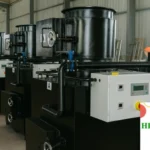
Innovative Solutions in Waste Management: HICLOVER Incinerators
Innovative Solutions in Waste Management: HICLOVER Incinerators
In the realm of waste management, waste incinerators represent a pivotal technology, especially for regions grappling with waste disposal challenges. HICLOVER Incinerator stands at the forefront, offering a range of advanced incineration solutions designed to meet industrial and medical standards. The operational efficiency of these incinerators is rooted in their ability to achieve high combustion temperatures, typically ranging from 800°C to over 1200°C, crucial for the effective destruction of various waste types. Understanding the engineering reliability of these systems is vital for organizations aiming to adhere to stringent environmental regulations while ensuring optimal waste disposal.
Technical Specifications and Standards
The design of HICLOVER incinerators is informed by international standards set forth by organizations such as the World Health Organization (WHO) and European Union emission frameworks. These standards dictate the operational temperature necessary for effective waste treatment, particularly in medical and hazardous waste contexts. Each HICLOVER unit is engineered to not only meet but often exceed the compliance requirements for emissions, ensuring that harmful byproducts are minimized.
One of the standout features of HICLOVER incinerators is the incorporation of dual combustion chambers. This design improves the incineration process by maximizing combustion efficiency and reducing harmful emissions. The first chamber facilitates primary combustion, while the second chamber ensures complete oxidation of any residual gases. As waste is subjected to prolonged high temperatures, the retention time in the second chamber is critical for achieving optimal destruction rates and ensuring compliance with environmental standards.
Combustion Principles and High Temperature Retention
The principles underlying waste incineration involve complex thermochemical processes. At HICLOVER, the combustion process is meticulously calibrated to ensure complete oxidation of the waste materials. This involves not just maintaining high temperatures but also controlling the air supply to achieve the necessary stoichiometric balance for combustion. The importance of high temperature retention cannot be overstated; it is a key factor in the destruction of dioxins and furans, which are notorious for their toxicity and persistence in the environment.
As a leader in the field, HICLOVER emphasizes the critical need for precise engineering and monitoring systems. The integration of Programmable Logic Controllers (PLC) allows for automated monitoring of temperature and emissions, providing operators with real-time data that enhances operational safety and efficiency. For regions such as Sierra Leone and Madagascar, where waste management systems are still developing, HICLOVER’s incineration technology offers a reliable and efficient solution.
Types of Incinerators and Their Applications
HICLOVER provides a comprehensive range of incinerators, from fixed installations to containerized mobile units. The decision between fixed and mobile incinerators often hinges on the specific waste management needs of an area. Containerized systems are particularly advantageous for remote locations, such as mining and oil camps, where traditional waste disposal methods may be impractical. These modular systems are designed for ease of transport and rapid deployment, making them ideal for crisis zones and humanitarian operations.
Within the medical sector, HICLOVER incinerators are adapted for specific applications such as the disposal of hazardous medical waste. For example, the Central African Italy medical furnace is designed to meet the stringent requirements for healthcare waste management, ensuring that materials are incinerated in compliance with health regulations. Similarly, the Guinea-Bissau incinerador médica provides an effective solution for local healthcare facilities struggling with waste disposal challenges.
Comparative Analysis of Incineration Technologies
When evaluating incineration options, it is crucial to consider various technologies. For instance, the choice between a dry scrubber and a wet scrubber impacts the emissions profile of the incinerator. Dry scrubbers are generally more efficient in capturing acid gases without the generation of waste water, whereas wet scrubbers may offer higher capture rates but require additional infrastructure for wastewater treatment. HICLOVER’s systems can be equipped with either option, giving clients the flexibility to choose based on their operational context.
Furthermore, the PLC-controlled systems versus manual control present another layer of operational choice. While manual control may be more traditional, PLC automation offers enhanced precision and ease of operation. This is particularly beneficial in settings such as dental clinics, where consistent operational parameters are essential for safe waste disposal.
Global Reach and Customizable Solutions
HICLOVER’s commitment to quality is bolstered by its robust supply chain and manufacturing capabilities. With factory direct supply, clients can expect not only competitive pricing but also customizable solutions tailored to their specific needs. The ability to modify chamber volumes and configurations makes HICLOVER an attractive option for various markets, including Sao Tome and Principe pet animal cremation equipment and Lesotho dog cremation cost considerations.
As a global player, HICLOVER maintains a stable supply chain that ensures a steady flow of components necessary for manufacturing and maintenance. This stability is crucial in supporting ongoing operations, particularly in regions like Comoros where waste management infrastructure is developing. With burgeoning demands for sustainable waste solutions, the emphasis on energy recovery systems aligns well with global trends focusing on carbon emission reduction and ESG compliance.
Embracing Advanced Technology for Waste Management
The integration of digital automation in industrial equipment is becoming increasingly important. HICLOVER’s incinerators feature advanced monitoring systems that provide operators with immediate feedback on performance, allowing adjustments to be made in real-time. This level of automation not only enhances efficiency but also contributes to the overall safety of the operation. As the world gravitates toward more sustainable practices, the investment in cutting-edge technology ensures that HICLOVER remains a leader in waste incineration solutions.
Conclusion
As the demand for effective waste management solutions continues to grow, HICLOVER Incinerators stand out as a reliable and advanced option. By combining engineering expertise with an unwavering commitment to quality, HICLOVER delivers incineration systems that meet the diverse needs of global markets. Through continuous innovation and adaptability, HICLOVER is poised to address the challenges of waste management in a rapidly evolving landscape.
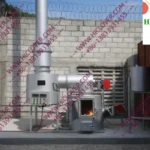
Incinerator Suppliers in Zambia: A Reliable Waste Incinerator Strategy for Mines, Cities, and Healthcare Sites
Incinerator Suppliers in Zambia: A Reliable Waste Incinerator Strategy for Mines, Cities, and Healthcare Sites
Across Southern Africa, Zambia is accelerating infrastructure development, strengthening public health systems, and expanding industrial activity—especially in mining corridors and growing urban areas. At the same time, waste management pressure is increasing, driven by population growth, packaging consumption, and higher expectations for environmental responsibility.
This is why more buyers are actively searching for incinerator suppliers in Zambia. They are not only looking for a machine, but for a dependable waste incinerator solution that can operate consistently under real conditions: mixed waste streams, limited staffing, remote project locations, and long logistics chains.
This article explains what matters when selecting incinerator suppliers in Zambia, and how HICLOVER supports practical, factory-direct supply for local projects.
Why Zambia Needs Practical On-Site Waste Incineration
In many Zambian regions, transporting waste to centralized disposal facilities can be costly and inefficient—especially for remote mines, construction camps, district hospitals, and cross-border logistics points. Meanwhile, open dumping and uncontrolled burning create visible smoke, odors, and sanitation risks.
A properly designed waste incinerator can help solve these problems by enabling:
-
On-site waste volume reduction
-
Cleaner site hygiene and pest control
-
Reduced transport frequency and disposal cost
-
Better safety for sensitive waste handling
-
Improved compliance readiness for ESG and environmental programs
With international investment and corporate sustainability requirements expanding, waste management is increasingly treated as part of operational reputation—not just site maintenance.
High-Demand Waste Incinerator Applications in Zambia
When procurement teams and project owners evaluate incinerator suppliers in Zambia, they usually focus on specific, high-need scenarios:
Mining Camps and Industrial Operations
Zambia’s mining zones generate daily domestic waste from camps and workshops: food waste, packaging, mixed refuse, and maintenance consumables. A reliable incinerator reduces waste buildup and improves site order, especially where landfill access is limited.
Municipal and Community Waste Support
Urban growth increases daily waste loads, including plastic packaging and mixed household waste. Incineration helps reduce landfill dependence and provides a controlled alternative where space and transport are ongoing challenges.
Hospitals, Clinics, and District Health Facilities
Healthcare locations face continuous waste streams that require hygiene-focused handling. A stable incineration solution supports infection control strategies and strengthens local health system operations.
Remote Construction and Infrastructure Projects
Road works, power projects, and pipeline or water infrastructure sites often operate far from established waste collection services. On-site waste incineration provides a practical tool for maintaining clean, compliant camps.
What to Look For When Comparing Incinerator Suppliers in Zambia
Buyers in Zambia need equipment that performs consistently—not equipment that only looks good on paper. A supplier should demonstrate real manufacturing capability and support logic.
Key evaluation points include:
-
Durable structure for long-term daily operation
-
Stable combustion performance for variable waste composition
-
Operator-friendly automation for consistent results
-
Modular design for easier deployment and relocation
-
Export-ready packaging, documentation, and spare parts planning
-
Clear configuration options based on waste type and capacity needs
For Zambia projects, practical reliability matters more than complicated features that are difficult to maintain locally.
HICLOVER Waste Incinerator: Factory Supply Built for Zambia Conditions
HICLOVER is a professional waste incinerator manufacturer providing export-ready solutions for international buyers. For Zambia, HICLOVER focuses on the issues that repeatedly affect real projects: logistics, manpower limits, mixed waste profiles, and long-term serviceability.
Explore HICLOVER product solutions and factory supply capacity here:
https://www.hiclover.com/
Modular and Installation-Friendly: Fast Deployment for Mines and Remote Sites
Many Zambian buyers—especially mining operations and contractors—prefer incinerator solutions that avoid complex civil works and long assembly cycles. A modular approach reduces operational downtime and allows faster commissioning.
HICLOVER supports modular deployment concepts that help deliver:
-
Faster installation with reduced on-site workload
-
Easier relocation for staged projects and temporary camps
-
More predictable commissioning for contractor timelines
-
Cleaner project planning with simplified site integration
For mines and infrastructure projects, time is a cost. Modular deployment helps control both time and risk.
Automation That Improves Consistency and Reduces Operator Error
One of the most common reasons incinerators fail is inconsistent operation: incorrect loading practices, unstable ignition, or repeated overheating and shutdown cycles. Zambia projects often rely on small teams, where operators must manage multiple responsibilities.
HICLOVER waste incinerators can be configured with practical automation functions such as:
-
Controlled ignition and stable combustion sequence
-
Temperature monitoring and safety interlocks
-
Simplified operator logic for daily routines
-
Repeatable performance for variable waste conditions
This is especially valuable for healthcare sites and mining camps where waste composition changes day to day.
Technical Strength for Mixed Waste and Real Operational Pressure
Zambia’s waste profile often includes a combination of organics, packaging, plastics, and daily consumables. A good waste incinerator must handle variation without constant adjustment.
HICLOVER solutions emphasize:
-
Stable combustion design for mixed waste
-
Durable materials and long service structure
-
Flexible fuel configurations depending on local planning
-
Optional pollution-control configurations (project dependent)
-
Export-standard manufacturing and quality checks
This approach supports long-term reliability in locations where advanced maintenance teams may not be available.
Why Factory-Direct Supply Matters in Zambia Procurement
When selecting incinerator suppliers in Zambia, the supplier’s real strength is often more important than the brochure specifications. Factory-direct manufacturers provide clearer accountability and stronger long-term support.
Typical factory supply advantages include:
-
Stable lead time and consistent build quality
-
Clear technical documentation and configuration guidance
-
Better spare parts continuity and service logic
-
Customization flexibility for mining, healthcare, or municipal projects
-
Reduced risk of intermediary-driven miscommunication
For Zambia buyers working under strict budgets, tender frameworks, or ESG reporting requirements, reducing supplier uncertainty is an immediate value.
Inserted Search Link (Keyword B)
https://www.google.com/search?q=incinerator+suppliers+in+Zambia
Conclusion: A Waste Incinerator Solution Zambia Can Rely On
Zambia’s growth in mining, healthcare capacity, and infrastructure development brings higher expectations for waste control and environmental responsibility. A robust waste incinerator can support cleaner sites, lower disposal pressure, and stronger operational hygiene—especially in remote or high-demand areas.
When comparing incinerator suppliers in Zambia, choose a manufacturer that can deliver stable combustion performance, modular deployment, and operator-friendly automation—backed by real production capability.
HICLOVER provides factory-direct export supply for practical incinerator projects worldwide:
https://www.hiclover.com/
Résumé (FR)
En Zambie, un waste incinerator fiable est essentiel pour les mines, les hôpitaux et les projets éloignés. En recherchant incinerator suppliers in Zambia, il est préférable de choisir un fabricant capable d’assurer une fourniture stable, une solution modulaire et une automatisation simple à exploiter. HICLOVER propose des équipements orientés export : https://www.hiclover.com/
Resumen (ES)
En Zambia, un waste incinerator robusto ayuda a controlar residuos en minas, hospitales y sitios remotos. Al buscar incinerator suppliers in Zambia, conviene elegir un fabricante con capacidad real de producción, despliegue modular y automatización práctica. HICLOVER ofrece soluciones para compradores internacionales: https://www.hiclover.com/